Journal
Best Season to Move a Wooden Liveaboard Across the Flores Sea
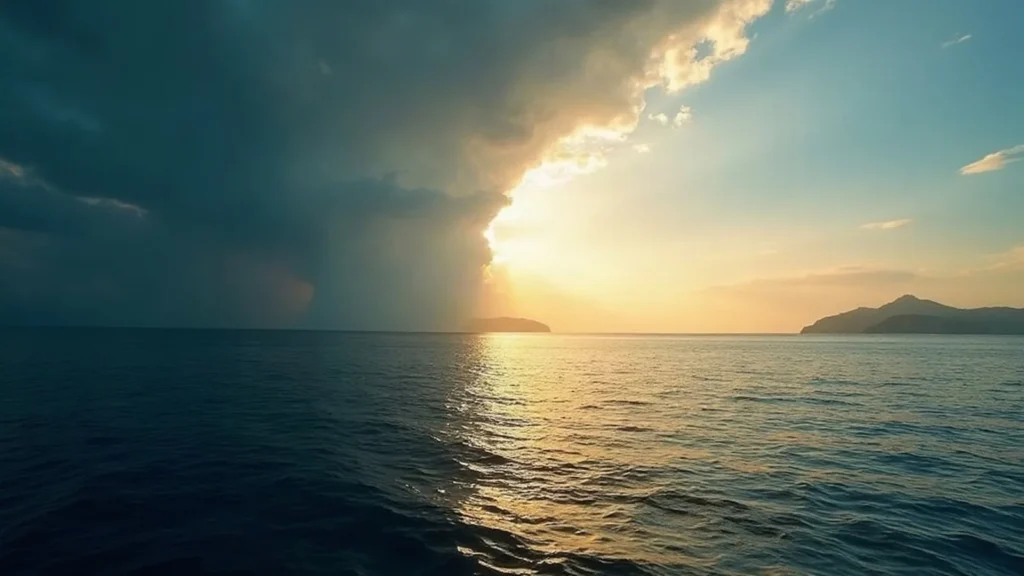
Indonesian waters run on a monsoon cycle, and a delivery plan should carry a window rather than a date. The west monsoon and the east monsoon each bring their own conditions across the Flores Sea, and the transitional months between them are the periods most commonly used for moving new hulls.
The two monsoons, broadly
The west monsoon dominates from roughly December to March. It brings the wetter part of the year across much of the archipelago, with more unsettled and variable conditions and a higher chance of squally weather on the Flores and Java seas.
The east or south-east monsoon runs roughly from June to September. It tends to be drier and more settled in character but can bring a persistent and sometimes strong wind pattern that builds sea state over long fetches.
The transition periods either side, broadly April to May and October to November, are frequently the calmest and are commonly chosen for deliveries. These are climatological patterns, not forecasts, and any specific passage is decided on the actual forecast at the time.
Why a timber hull is more season-sensitive
A new wooden hull has never worked in a seaway. Seams that are tight alongside can move when the hull is loaded by a swell, and fastenings that have never been stressed are being stressed for the first time.
That does not mean a well-built timber vessel is fragile; these hulls have crossed these seas for centuries. It means the margin for choosing benign conditions on a first passage is worth more on a wooden hull than on a steel one, because the failure mode is water ingress rather than a dent.
Building the window into the schedule
The most common way delivery timing goes wrong is that the build finishes late and the delivery gets pushed into a season nobody would have chosen. By then, commercial pressure, a booked first charter and an owner’s patience are all pulling in the same wrong direction.
The defence is structural. Set the target completion so that the delivery window sits comfortably inside a favourable period, and agree in advance what happens if the build slips: the vessel waits at the yard, and the first charter moves. Writing that decision down before it is needed is what makes it possible to take.
Decision criteria for departure
Agree who decides, on what basis, before anyone leaves. On a professionally run delivery the skipper holds the sailing decision and the owner does not override it.
- Named decision-maker for sail, wait, divert and abort
- Forecast source and the wind and sea limits that trigger a hold
- Latest acceptable departure before the window is abandoned
- Where the vessel waits, and who pays for waiting time
- What happens to a booked first charter if the vessel is held
- Insurance conditions that constrain the passage
Local knowledge still matters
Forecast models cover the region adequately at synoptic scale but are less good at the local effects that matter to a specific passage: acceleration between islands, afternoon squall patterns, and the behaviour of particular straits.
An experienced local delivery skipper adds exactly the information a model does not carry. That is worth paying for on a first passage, and it is one of the few places on a build project where experience substitutes directly for money.
If you must move outside the window
Sometimes the schedule genuinely cannot bend. In that case, shorten exposure: choose the route with the most shelter even if it is longer, wait for a specific forecast gap rather than a seasonal average, and strengthen the crew rather than the argument.
And accept that this raises the probability of damage and delay. That is a commercial decision, and it should be made explicitly by the owner rather than absorbed silently by the delivery crew.
Insurance and the weather window
Insurers have views on when and where a vessel may sail, and those views are frequently written into the policy in ways owners do not read until a claim is being assessed. Warranties about navigational limits, seasonal restrictions, crew qualifications and minimum crew numbers are common.
Check the delivery voyage against the policy before the departure decision, not after. A passage made outside a policy warranty may leave the vessel effectively uninsured at exactly the moment the cover matters most, and the resulting exposure is far larger than any schedule saving. If the policy and the intended window conflict, resolve it with the insurer in writing rather than hoping the discrepancy goes unnoticed.
Frequently asked questions
What is the best season and weather window to move a wooden liveaboard across the Flores Sea?
The transitional months between monsoons are the periods most commonly used, because the west monsoon from roughly December to March brings unsettled weather and the east monsoon from roughly June to September can bring persistent strong wind over long fetches. The correct answer for any specific passage depends on the forecast at the time and the vessel’s condition, so plan a window and a hold decision rather than a date.
Can a delivery be done in the west monsoon?
Yes, and it happens regularly, but it demands a more conservative approach: a shorter route with more shelter, a specific forecast gap rather than a seasonal assumption, an experienced crew and a genuine willingness to wait. It also raises the probability of damage and delay, which is a commercial decision the owner should make explicitly.
How much waiting time should I budget?
Enough that waiting is possible without a crisis. For a first passage, plan for the possibility of holding for a week or more at the departure point, and agree in advance who pays for waiting time and what happens to any downstream commitments. A delivery plan with no slack is a plan that will sail in the wrong weather.
Which months are calmest for a Flores Sea crossing?
The transitional windows around April to May and October to November generally offer the most settled conditions. The southeast monsoon from roughly June to August brings persistent strong wind and sea on this stretch, while the northwest season around December to February brings squalls and rain rather than steady wind. Calm is relative in an open sea; the transitional months simply stack the odds in your favour.
What if my schedule forces a crossing in the rough season?
Then change how you sail rather than whether the weather applies to you. Break the passage into shorter legs with identified ports of refuge, build waiting days into the schedule and let the forecast spend them, and put an experienced delivery skipper in charge of the decision to sail. Insurers also read seasons; confirm the policy’s view of the passage before departure.
Talk to the Sulawesi Boat Builder desk
Send the vessel type, target length, intended operating area and your build or purchase window. We reply with the shortlist logic, the document set you will need, and the next verifiable step.
WhatsApp +6281139414563 · bd@juaraholding.com
Quotations, contracts and milestone schedules are issued in USD by PT Komodo Galangan Nusantara.