Journal
Guide to Buying a Used Phinisi in Indonesia Without Regrets
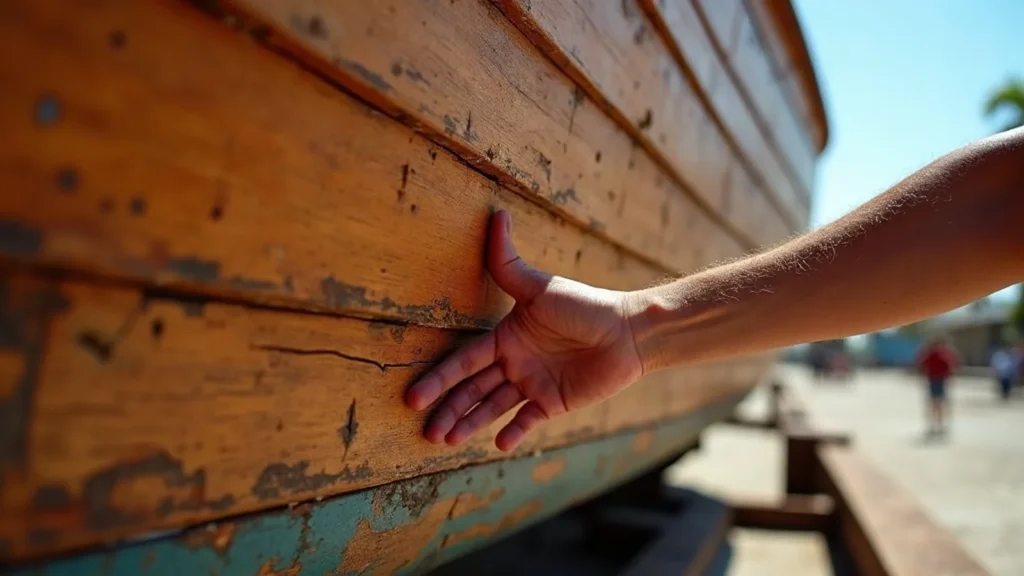
The difference between a bargain and a disaster in the used phinisi market is entirely diligence. Two vessels of identical age and length can be twenty years apart in effective condition, and the difference is invisible from a photograph and often invisible from the deck. This is the checklist that finds it.
Before you look: define what you are buying for
A vessel bought for private cruising and a vessel bought for commercial charter are evaluated against different standards. The charter buyer has to satisfy certification, licensing and guest expectations that the private buyer does not.
Deciding this first prevents the most expensive mistake in the market: buying an attractive vessel that cannot legally or practically do the job you bought it for.
The structural survey
Commission an independent surveyor, engaged and paid by you, with a written engagement letter stating the report is prepared for you. Agree access in advance: lining panels removed at key structural points, bilges cleared, and ideally a haul-out.
The surveyor is looking at fastening condition, frame integrity, planking and seam behaviour, rot at the hull ends and in the bilge, moisture distribution, and the standard of previous repairs. Read the limitations section of the report first, because it defines how much of the vessel the opinion actually covers.
The document check
This is where deals die, and it costs less than the survey. Registration in the seller’s name, evidence of certification status, and clarity on whether any operating licence sits with the vessel or with the seller’s company.
Check for encumbrances: charges, liens or unresolved ownership claims. In a market where many vessels have changed hands informally, a clean paper trail is a genuine asset and its absence is a genuine risk.
- Registration documents in the seller’s name, verified rather than photographed
- Certification status and validity for the vessel’s current category
- Whether the operating licence transfers, and it usually does not
- Any charge, lien or third-party claim over the vessel
- Build documentation, previous survey reports and yard records if they exist
- Equipment ownership: what on board is actually included in the sale
Systems and sea trial
Run the vessel properly. A thirty-minute demonstration hides cooling problems, charging problems and fuel contamination that a four-hour run at working load will reveal.
Run every system as it will run in service: generators under load, air conditioning, refrigeration, watermaker, bilge pumps and fire systems. On a vessel that has been laid up, expect problems, and price them rather than being surprised by them.
Budget the refit before you negotiate
The purchase price is not the cost of the vessel. Add survey, legal verification, immediate structural work, systems renewal, certification if the category is changing, and the presentation standard your intended market expects.
That total is what you are comparing against a newbuild. Buyers who compare only the purchase price against a build quotation are comparing two different things and usually reaching the wrong conclusion.
Structuring the purchase
Stage payment against conditions: survey acceptance, document verification, and delivery in agreed condition at an agreed place. A deposit released before survey acceptance is a deposit at risk.
Where the vessel is bought for commercial operation, settle the ownership and licensing structure in parallel with the purchase. A vessel bought into the wrong structure can sit unable to earn while the arrangement is unwound.
Walking away is part of the process
In a market with no central listings and considerable condition variance, the ability to walk away is the buyer’s main source of leverage. That means never becoming committed to a specific vessel before the survey is complete, and never allowing a deposit structure that makes withdrawal expensive.
It also means being realistic about how many vessels you will look at. Buyers who inspect one boat and buy it are usually buying the first boat rather than the right one. Expect to seriously evaluate several, expect at least one survey to kill a deal, and treat that survey fee as the best money you spent rather than as a loss.
Frequently asked questions
How do I check the condition of a second-hand phinisi hull and structure?
Commission an independent pre-purchase survey with agreed access: lining panels removed at key structural points, bilges cleared and ideally a haul-out so the underwater body can be seen dry. The report should address fastenings, frames, planking, seams, rot at hull ends and bilge, moisture distribution and the quality of previous repairs, and should state clearly what could not be inspected.
How much should I budget for refit after purchase?
Enough that it is a plan rather than a shock. The figure depends entirely on survey findings, the vessel’s certification status and the standard your intended market expects, and it can be a substantial share of the purchase price. Get the survey first and build the refit budget from its findings before you finalise a price.
Does the charter licence come with the boat?
Usually not. Commercial operating licences are typically held by a company rather than attached to the hull, so buying the vessel does not confer the right to operate it commercially. Establish at the outset whether you are buying an asset or a business, and take Indonesian legal advice on the structure you will need.
What paperwork should a used phinisi come with?
Title documents including the grosse akta, current registration, the latest survey and docking records, any class certificates, and a maintenance log that matches the vessel’s story. Gaps are not automatically fatal, but each missing document moves risk and therefore price toward the buyer. A seller who cannot produce title paperwork quickly is telling you something important before any surveyor steps aboard.
Can a survey really establish a wooden hull’s condition?
A competent condition survey with systematic sounding, moisture readings and selective fastening checks reveals most of what matters, and a haul-out extends that to the keel, sheathing and underwater fastenings that no afloat inspection can reach. What a survey cannot do is certify the future; it establishes condition at a date. Budget for the haul-out survey on any serious purchase and treat an obstructed survey as an answer in itself.
Talk to the Sulawesi Boat Builder desk
Send the vessel type, target length, intended operating area and your build or purchase window. We reply with the shortlist logic, the document set you will need, and the next verifiable step.
WhatsApp +6281139414563 · bd@juaraholding.com
Quotations, contracts and milestone schedules are issued in USD by PT Komodo Galangan Nusantara.